STOP WAR



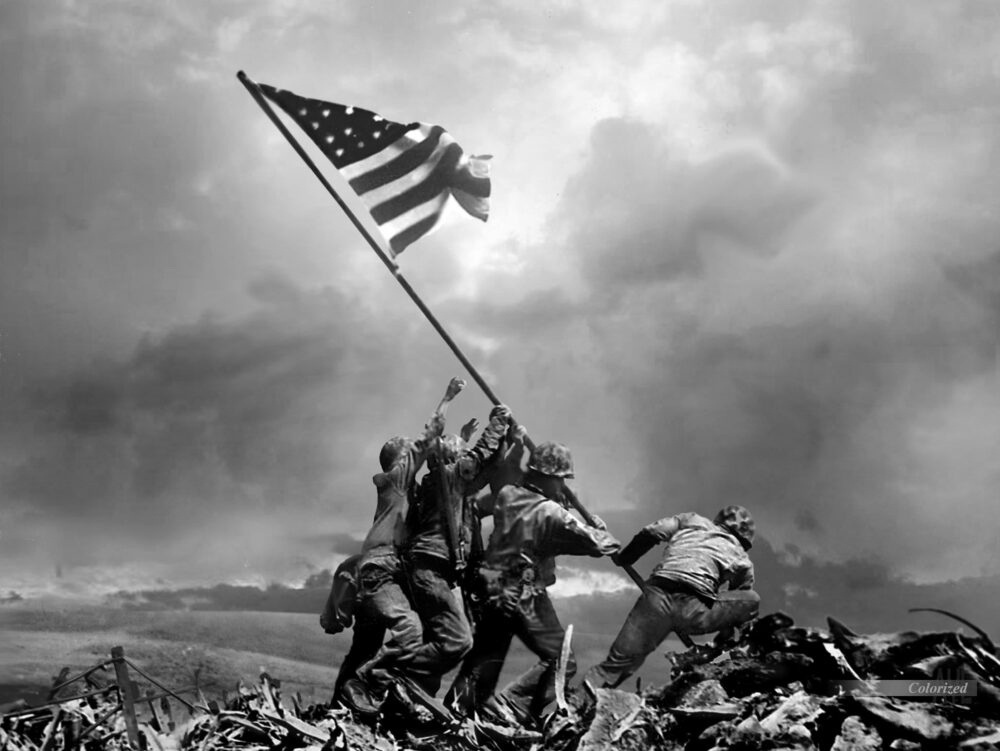
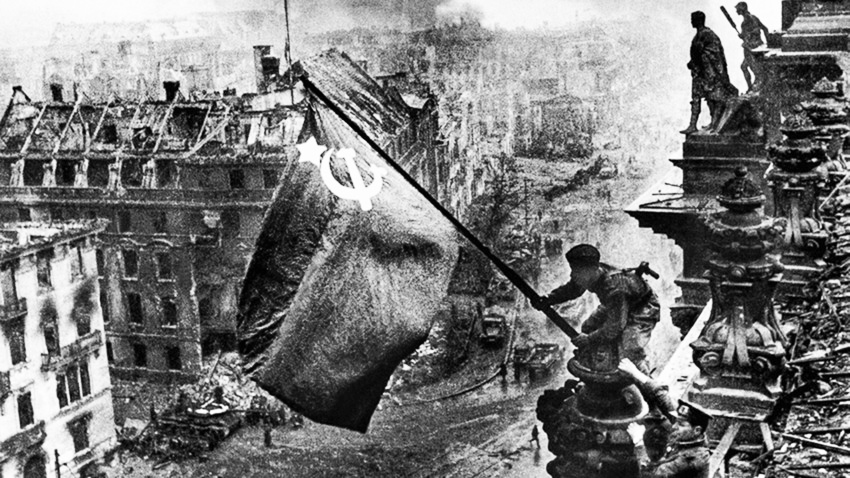
With pride, a sense of duty, and justifiable satisfaction at a hard-won victory, the people in arms wave the sacred flag of the homeland, without asking themselves too many questions about what sort of homeland it is, and the war photographers are there, ready to capture that supreme moment; usually the result is a powerful, moving image, perhaps a tad rhetorical, but perfect for appearing in tabloids, newspapers or propaganda material, and being reproduced in millions of copies as befits any photo aspiring to become historic.
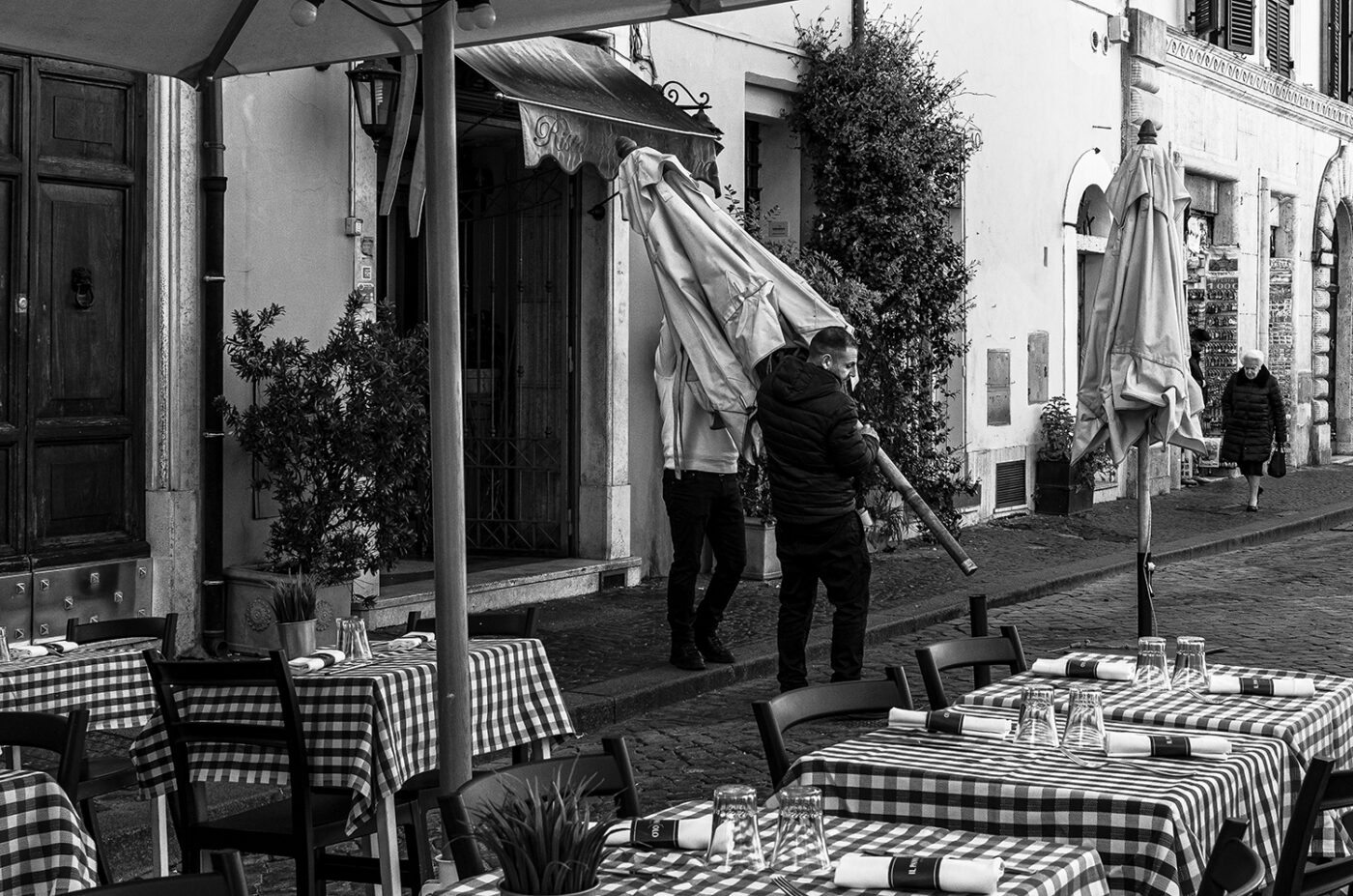
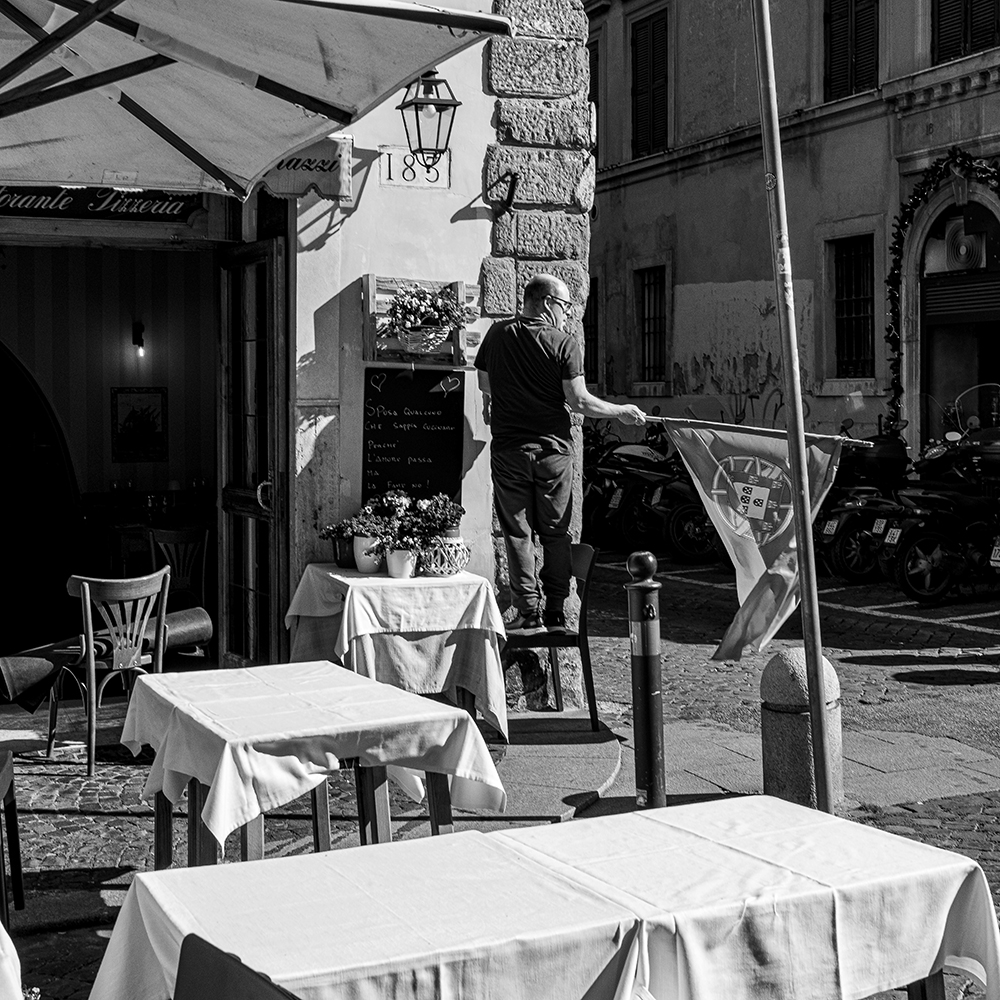
Whilst walking along the street where I live in early April last year, I found myself photographing waiters setting up the outdoor seating areas of their restaurants, and the spark was immediately ignited; just as I was taking those photos, two very famous war photographs came to mind: in the demeanour and posture—certainly less heroic and solemn, indeed very prosaic—of the people I was photographing, I recognised a resemblance to that of the American marines immortalised in the famous photograph of the flag at Iwo Jima, and to that of the Soviet soldier at the Berlin Chancellery.
It was like a dizzying sensation; the eighty years that have passed since those early months of 1945 were swallowed up by a wry little cloud: a similar composition but a very different context, and placing these images side by side creates a short circuit in which the sacred and the profane, Don Quixote and Sancho Panza, and even a touch of irony, which in these times of renewed war cries does no harm.
In the end, even though I’m not too fond of the fast-food joints that have multiplied on our streets, I still prefer the old Roman saying ‘O Franza o Spagna purché se magna’ to the somewhat artificial war hysteria that is currently entertaining us.